

NFL jersey cleaning guide for UK fans: 5-10 year care
TL;DR:
- Proper washing with cold water and non-bio detergent extends NFL jersey lifespan to five or more years.
- Air drying flat and avoiding heat or direct sunlight prevent damage to graphics and fabric.
- Correct storage in a cool, dry place using padded hangers or acid-free tissue maintains jersey quality.
An authentic NFL jersey is one of the most satisfying things you can own as a fan. But one wrong wash cycle and you could watch the numbers peel, the colours bleed, and years of pride reduced to a faded rag. Improper washing causes fading and peeling within a single season, while the right habits can keep a jersey looking sharp for five to ten years. This guide walks you through every stage: preparation, washing, drying, storage, and troubleshooting, with practical advice tailored to UK conditions, including hard water, humidity, and the unique demands of authentic and vintage pieces.
Table of Contents
- What you need: Tools, detergents, and prep tips
- Step-by-step washing: Keeping graphics and fabric spotless
- Drying and storage: Protecting jersey shape and colours
- Troubleshooting and extending jersey lifespan
- Expert perspective: What most fans get wrong about NFL jersey care
- Find authentic NFL jerseys and gear
- Frequently asked questions
Key Takeaways
| Point | Details |
|---|---|
| Right detergents matter | Always choose non-biological detergents to protect jersey fibres and graphics in hard UK water. |
| Cold, gentle washes | Washing with cold water and mild cycles preserves print and shape for years. |
| Air drying is essential | Lay flat or hang jerseys to dry naturally to prevent peeling or shrinking. |
| Proper storage prevents damage | Use padded hangers or acid-free tissue to avoid creases and discolouration. |
| Consistent care extends life | Following expert tips means your NFL jersey could last for a decade or more. |
What you need: Tools, detergents, and prep tips
To get started, you need the right kit and a little know-how tailored for UK fans. Getting this stage right is genuinely half the battle, and most jersey damage starts here, not in the wash itself.
The single most important product choice you will make is your detergent. Non-biological detergents are essential for UK fans because hard water areas, which cover much of England, accelerate fibre breakdown when combined with biological enzymes. Non-bio formulas clean effectively without attacking the synthetic fibres and heat-pressed graphics that make authentic jerseys look the way they do. Brands like Persil Non-Bio or Fairy Non-Bio are widely available and perfectly suited to the job.
Beyond detergent, here is what to avoid entirely:
- Bleach or whitening agents: These strip colour and destroy graphics fast.
- Fabric softener: It coats synthetic fibres and causes graphics to lift over time.
- Harsh stain removers: Products like Vanish can be too aggressive for jersey materials.
- Hot washes: Heat is the enemy of heat-pressed numbers and lettering.
Before any wash, preparation matters. Always turn your jersey inside out. This single step dramatically reduces friction on the printed or stitched surface during the cycle. Check for any visible stains and treat them gently with cold water and a small amount of non-bio detergent before the main wash. Never rub aggressively; press and dab instead.
Different jersey types need slightly different handling. Use the table below as a quick reference when you are sorting your kit:
| Jersey type | Detergent | Wash method | Pre-wash check |
|---|---|---|---|
| Authentic (Nike On-Field) | Non-bio, minimal dose | Machine, cold gentle | Check stitching, turn inside out |
| Replica | Non-bio | Machine, cold gentle | Check graphics, turn inside out |
| Vintage | Non-bio or specialist delicate | Hand wash preferred | Check for fading, loose threads |
For a deeper look at what separates authentic from replica construction, the replica vs authentic guide covers the material and build differences worth knowing before you wash.
Pro Tip: Wash jerseys alone or with similar lightweight synthetics. Never bundle them in with jeans, towels, or hoodies. The abrasive weight of heavier fabrics causes surface damage even on a gentle cycle.
Also check the care label inside your jersey before anything else. Authentic Nike jerseys often carry specific temperature guidance, and following it protects both the fabric and any warranty. Refer to the jersey quality checklist if you are unsure whether your piece is genuine.
Step-by-step washing: Keeping graphics and fabric spotless
Once you are set up with the right supplies, it is time to wash your jersey properly. The process is straightforward, but the order and settings matter more than most fans realise.
Machine washing: Step by step
- Turn the jersey inside out and fasten any velcro or zip closures.
- Place it in a mesh laundry bag for extra protection against snagging.
- Set your machine to a cold wash, 30°C maximum, on the gentlest cycle available.
- Add a small dose of non-bio detergent. Less is more; excess detergent leaves residue.
- Do not add fabric softener or any additional products.
- Once the cycle ends, remove the jersey promptly to avoid creasing.
Hand washing: The preferred method for vintage and special editions
For vintage pieces or limited-edition jerseys, hand washing is always the safer choice. Fill a clean basin with cold water and a small amount of non-bio detergent. Submerge the jersey, turn it inside out, and gently agitate the water with your hands. Focus on any soiled areas by pressing lightly rather than scrubbing. Rinse thoroughly in cold water until no detergent remains.
Understanding how NFL jerseys are made helps explain why cold water is so critical. The heat-bonded layers in authentic jerseys begin to separate at higher temperatures, which is why even a single hot wash can cause irreversible peeling.
| Method | Best for | Risk level | Time needed |
|---|---|---|---|
| Machine (cold, gentle) | Modern replicas, regular use | Low if done correctly | 30-40 minutes |
| Hand wash | Vintage, authentic, special editions | Very low | 15-20 minutes |
| Tumble dry | Never recommended | Very high | N/A |
Never mix your jersey with abrasive clothing like denim, zip-up hoodies, or towels. Even on a gentle cycle, the friction from heavier fabrics can permanently damage graphics and surface fibres.
Improper washing causes fading and peeling within a season, while consistent correct care extends jersey life well beyond five years. For those who have recently purchased or are considering buying authentic jerseys, knowing how to care for them from day one protects that investment immediately.
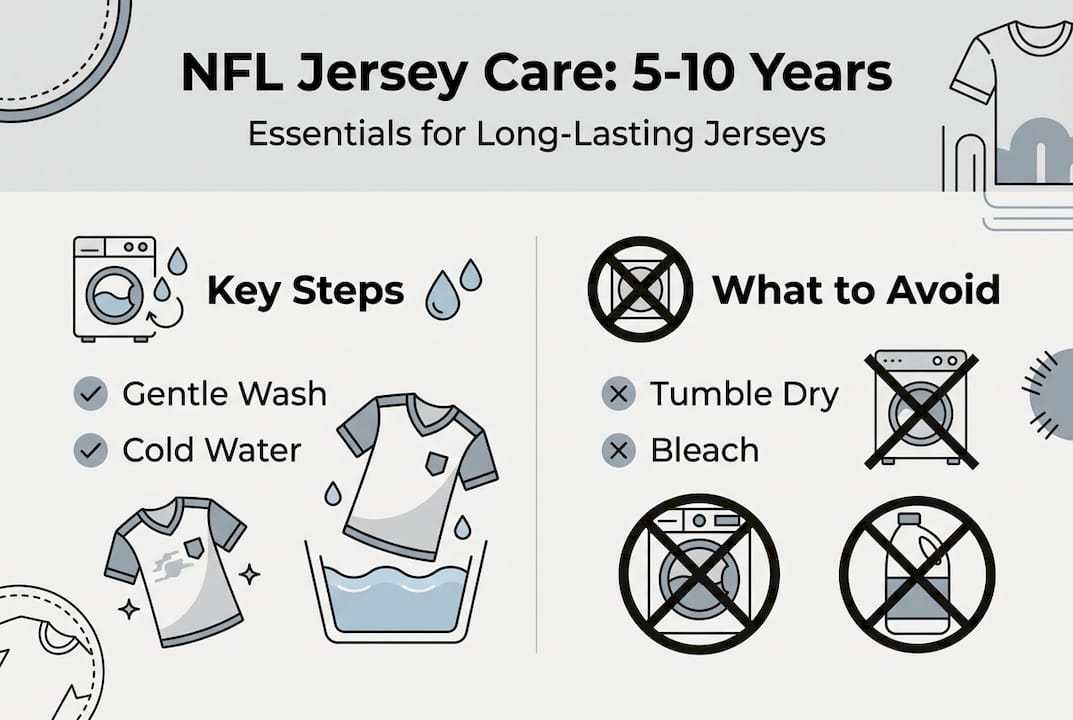
If you are unsure whether your jersey needs machine or hand washing, check the authentic or replica steps to confirm what type you own before committing to a method.
Drying and storage: Protecting jersey shape and colours
Once cleaned, the last thing you want is drying or storage undoing your hard work. This stage is where a surprising number of fans make avoidable mistakes.
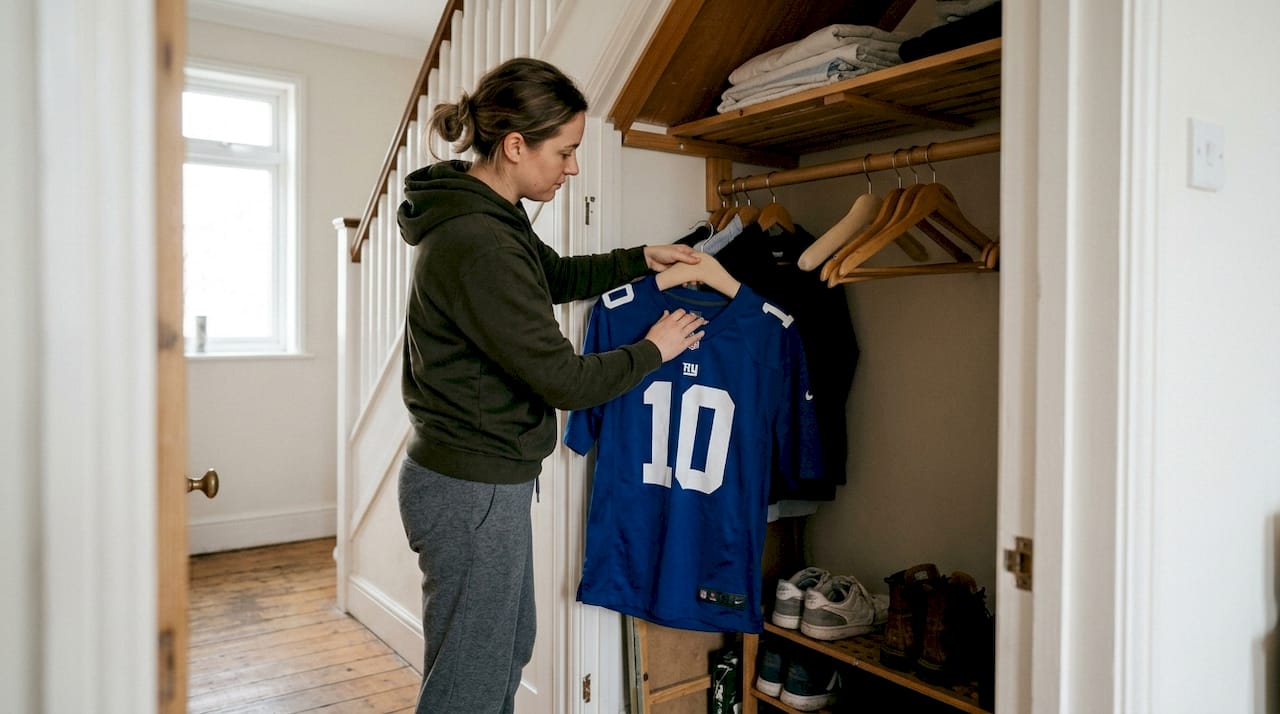
Air drying is non-negotiable. Tumble dryers generate heat that causes synthetic fibres to shrink and graphics to warp, crack, or peel. In the UK, where indoor humidity is a genuine concern through autumn and winter, how and where you dry matters enormously.
Here are the best air-drying practices for UK conditions:
- Avoid radiators: Direct heat from a radiator causes the same damage as a tumble dryer. It also warps the shape of the jersey.
- Keep out of direct sunlight: UV exposure fades colours over time, even through a window.
- Flat drying is ideal: Lay the jersey flat on a clean, dry towel to preserve its shape and prevent shoulder stretching.
- Use a clothes airer in a ventilated room: Good airflow prevents the musty odour that UK humidity can cause, especially in winter.
- Never hang by the collar: This stretches the neckline permanently.
Pro Tip: If you need to hang dry, use a wide, padded hanger rather than a thin wire one. Wire hangers create pressure points that distort the shoulder seams over time.
For long-term storage, the approach depends on whether you are keeping the jersey as part of an active collection or archiving it. Store jerseys in a cool, dry place, use padded hangers for hanging storage, or fold flat in acid-free tissue to avoid creasing directly on graphics. Acid-free tissue is inexpensive and widely available online; it prevents the yellowing that affects white and light-coloured jerseys over years.
If you display jerseys on the wall, rotate them periodically. Even indirect light causes gradual colour shift, and a jersey left facing the same direction for years will fade unevenly. For collectors building a serious wardrobe, the vintage jersey collection guide covers long-term preservation in greater depth.
Avoid plastic bags for storage. They trap moisture, which leads to mildew and fabric degradation. Breathable cotton garment bags are the right choice for any jersey you plan to store for more than a few weeks.
Troubleshooting and extending jersey lifespan
Even with all steps followed, mistakes and accidents can happen. Here is what you can do to recover and protect your jersey going forward.
Common stains and how to treat them:
- Food and drink: Blot immediately with cold water. Apply a small amount of non-bio detergent, press gently, and rinse. Never rub.
- Grass or mud: Allow to dry first, then brush off the excess before treating with cold water and non-bio detergent.
- Sweat stains: Soak in cold water with a small amount of non-bio detergent for 20 to 30 minutes before washing as normal.
- Ink or marker: This is difficult to remove without risk. A small amount of isopropyl alcohol on a cotton bud, applied carefully to the stain only, can lift it without spreading.
If graphics are beginning to peel at the edges, do not attempt to iron them back down without knowing the exact material. Some graphics respond to a low-heat iron applied through a pressing cloth, but others will melt or distort. When in doubt, consult a professional dry cleaner who has experience with sportswear.
Signs that your jersey needs professional attention include: visible cracking across large graphic areas, significant peeling that covers more than a small edge, or fabric thinning around high-friction zones like the collar and underarms.
The evidence is clear: proper care yields 5 to 10 years of excellent condition, while a single season of improper washing can cause rapid and irreversible deterioration. That is a compelling reason to treat every wash as a deliberate act rather than a routine chore.
For fans who want to understand the full value of authentic jerseys before investing in care, knowing what you own makes the effort feel worthwhile.
Expert perspective: What most fans get wrong about NFL jersey care
Having covered the full process, it is worth sharing what experience with authentic American sportswear in the UK actually reveals about real-life jersey care.
The biggest mistake is not a dramatic one. It is not bleach or a boil wash. It is tossing a jersey in with the regular laundry because it seems fine and you are in a hurry. That one habit, repeated a handful of times, causes rapid jersey deterioration that no amount of careful washing later can reverse.
UK-specific factors like water hardness rarely get mentioned in American care guides, yet they genuinely matter here. Hard water leaves mineral deposits in fibres that dull colours and weaken fabric over time. Non-bio detergent and a cold wash address this directly, but most fans never think about it.
Expensive specialist products are largely unnecessary. Good habits beat premium sprays every time. The fans who keep jerseys looking new for a decade are not using anything exotic. They are just consistent. They turn inside out, wash cold, air dry, and store properly. Every single time.
For fans who also want to think about styling NFL apparel without compromising condition, the same care principles apply whether a jersey is worn regularly or kept for display.
Find authentic NFL jerseys and gear
If you are putting the effort into caring for your collection, it makes sense to start with pieces worth protecting.

At Gear & Glory, we stock authentic Nike NFL jerseys alongside a wide range of authentic US sports caps and vintage sportswear that brings genuine US sports culture to UK fans. Every piece we carry is chosen for authenticity and quality, so you know exactly what you are buying and caring for. Whether you are building a collection or replacing a worn-out favourite, browse our full range and find something worth looking after.
Frequently asked questions
Can you machine wash NFL jerseys without damage?
Yes, you can machine wash on a gentle, cold cycle, but always turn jerseys inside out and avoid tumble drying. Cold water and air drying are essential to prevent fading and peeling.
How do I remove tough stains from my NFL jersey?
Treat stains quickly with a non-bio detergent and cold water, pressing gently rather than rubbing. Non-bio detergents and cold water maintain jersey quality without damaging graphics or fibres.
Why is air drying recommended for NFL jerseys?
Air drying prevents fibre shrinkage, graphics peeling, and odours, which is especially important given the UK’s humid climate. Tumble dryers generate heat that causes irreversible damage to synthetic jersey materials.
How should I store my NFL jersey long-term?
Store flat in acid-free tissue or hang on padded hangers in a cool, dry place to avoid yellowing and graphic distortion. Padded hangers and acid-free tissue are the two most effective tools for long-term jersey preservation.