

Replica vs authentic jerseys: what UK fans need to know
Many UK sports fans believe replica jerseys are inferior fakes, but this common misconception misses the real story. Both replica and authentic jerseys are officially licensed products, each designed for different purposes and audiences. Understanding the genuine differences in materials, fit, pricing, and design helps you make smarter purchasing decisions. Whether you’re after match-day performance or casual comfort, knowing what sets these jerseys apart ensures you get exactly what you’re paying for without falling for counterfeit traps.
Table of Contents
- Materials, Design And Fit Differences
- Pricing, Availability And Branding
- Authenticity, Licensing And Counterfeit Risks
- Explore Authentic And Replica Jerseys At Gear & Glory
Key takeaways
| Point | Details |
|---|---|
| Material technology | Authentic jerseys use advanced moisture-wicking fabrics, while replicas focus on comfortable standard polyester. |
| Price difference | Authentic shirts cost 1.5 to 2 times more than replicas due to performance materials and limited production. |
| Logo application | Heat-pressed logos on authentic jerseys reduce weight, embroidered logos on replicas increase durability. |
| Official licensing | Replica jerseys are genuine licensed fan products, not counterfeit items. |
| Fit and purpose | Authentic offers tight performance fit for athletes, replica provides relaxed comfort for everyday wear. |
Materials, design and fit differences
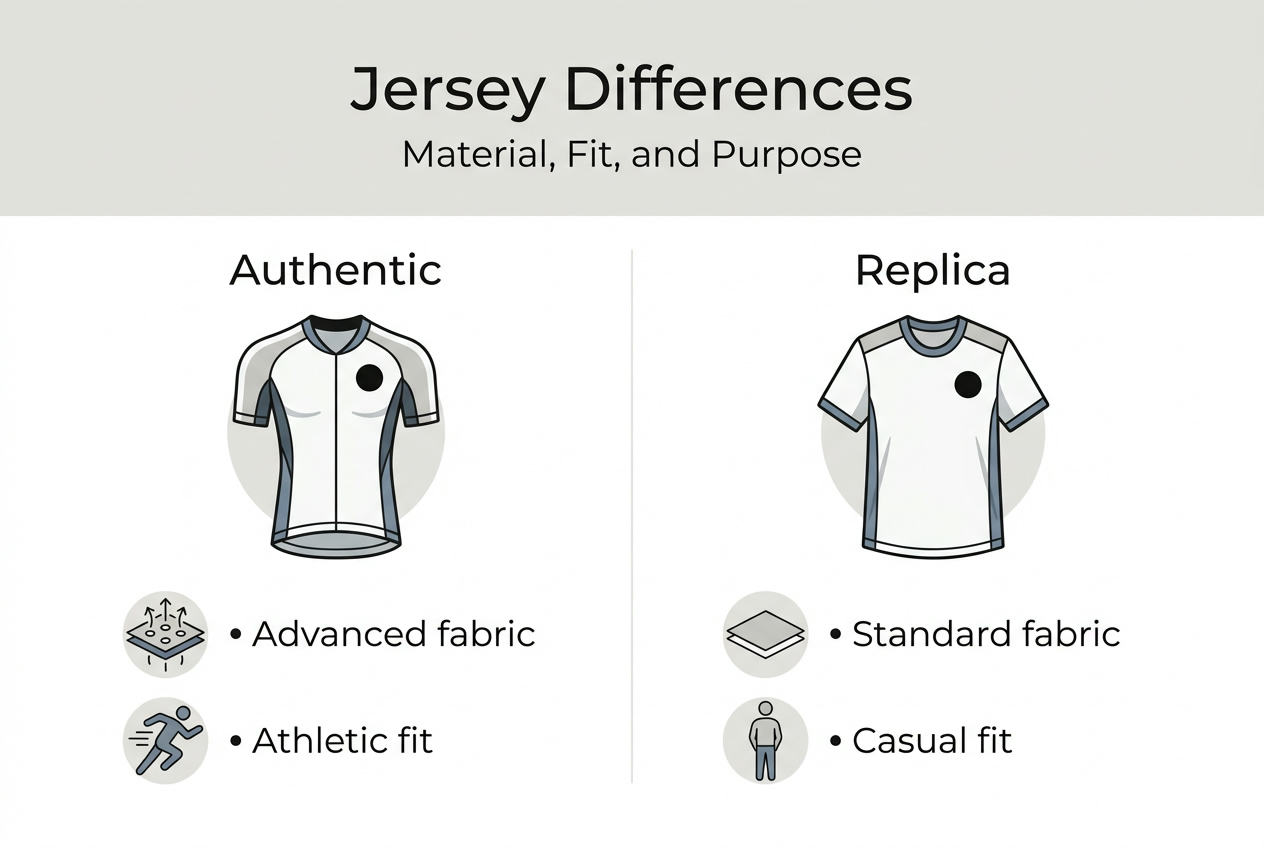
The most significant contrast between replica and authentic jerseys lies in their construction and intended use. Authentic jerseys use advanced moisture-wicking fabrics, heat-pressed logos, and feature a tight performance fit designed for athletes. Brands like adidas incorporate technologies such as Climacool or Primegreen, which offer superior breathability and moisture control during intense physical activity. These fabrics are engineered to keep players cool and dry on the pitch, making them ideal for match-day conditions.
Replica jerseys take a different approach, prioritising everyday wearability over athletic performance. Replica jerseys prioritise comfort with a relaxed fit, standard polyester fabrics, and embroidered logos while maintaining quality for fans. The polyester used in replicas still incorporates moisture-wicking properties, but the fabric weight and construction focus more on durability and comfort for casual wear. This makes replicas perfect for wearing to the pub, around town, or during casual kickabouts.
Fit represents another crucial distinction that affects how each jersey type performs. Authentic shirts feature a tight, athletic cut that mirrors what players wear during matches. This streamlined fit reduces drag and enhances movement, but it can feel restrictive for casual fans. Replica jerseys offer a wider, more relaxed silhouette that accommodates different body types comfortably. Most fans find replicas easier to layer over other clothing and more forgiving for everyday activities.
Logo application methods reveal the jersey manufacturing process priorities for each type. Authentic jerseys use heat-pressed badges and sponsor logos, which reduces overall weight and maintains the performance-oriented design. These heat-pressed elements lie flatter against the fabric, minimising friction during play. Replica jerseys feature embroidered logos that add texture and visual appeal whilst offering greater durability through repeated washing cycles.
Pro Tip: If you’re seeking match-day performance and plan to wear your jersey during sports activities, authentic’s lightweight materials and athletic fit provide a genuine advantage. For casual wear, watching matches at home, or everyday use, replicas offer superior comfort and easier maintenance whilst still representing your team with pride.
The professional jersey materials used in authentic versions justify their premium positioning. These technical fabrics undergo rigorous testing to meet professional standards, ensuring they perform under the most demanding conditions. Replica materials, while less technical, still deliver quality construction that withstands regular wear and washing. Both types maintain colour vibrancy and structural integrity when cared for properly, though authentic fabrics may require more delicate handling.
Pricing, availability and branding
Price differences between authentic and replica jerseys reflect their distinct manufacturing processes and target markets. Authentic jerseys typically retail for £115-140, whilst replica shirts cost between £75-90. This premium pricing for authentic versions stems from advanced fabric technologies, limited production runs, and the specialist engineering required to meet professional standards. Clubs and manufacturers position authentic jerseys as collector’s items and performance wear, which supports higher price points.
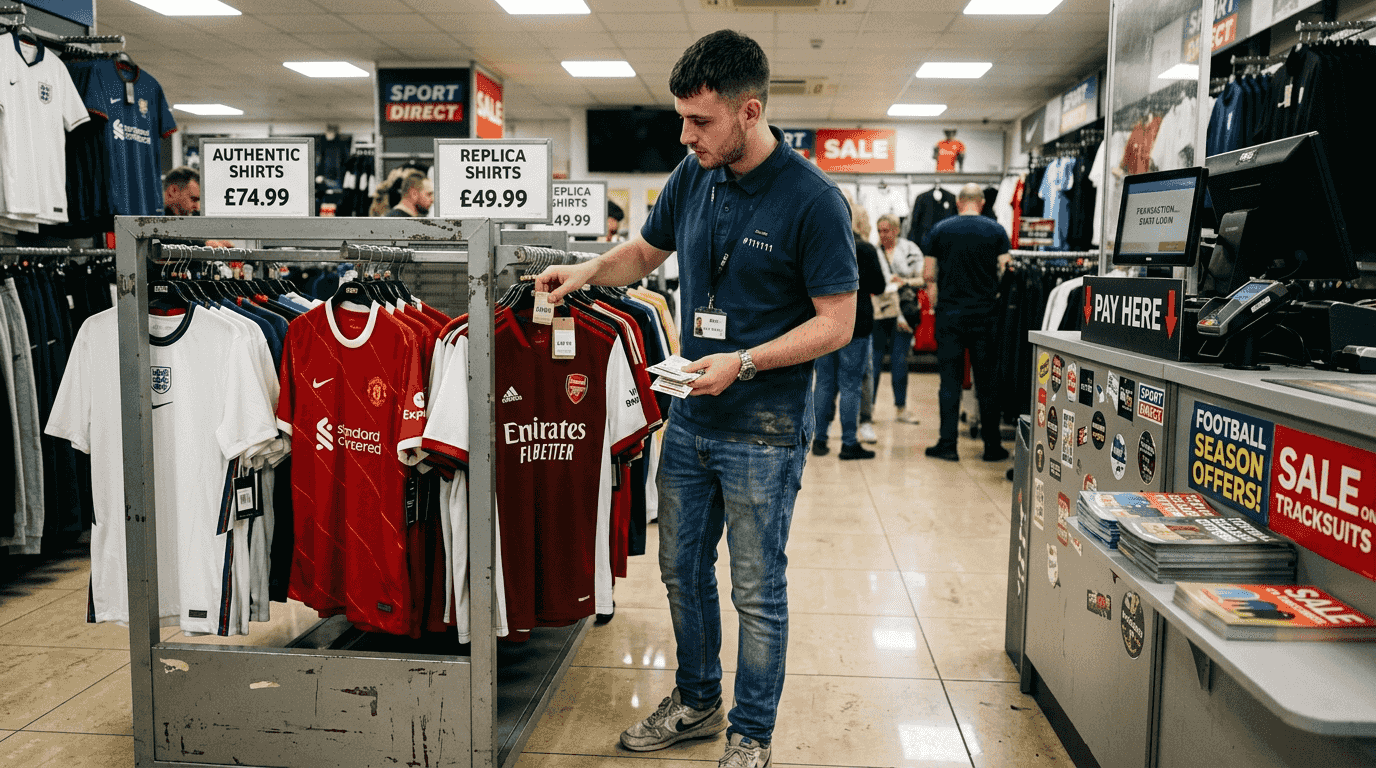
Replica jerseys achieve more accessible pricing through mass production and standard materials. Manufacturers produce replicas in much larger quantities, spreading development costs across more units and making them affordable for broader fanbases. This pricing strategy ensures every supporter can wear their team’s colours without stretching their budget. The cost difference doesn’t indicate inferior quality in replicas, rather different design priorities and production scales.
Brand-specific naming conventions can confuse shoppers trying to identify authentic versions. Brand naming varies significantly: adidas uses ‘Authentic Shirt’, Nike calls theirs ‘Vapor Match Shirt’, helping consumers identify genuine items. Puma uses ‘Authentic’ or ‘Player Issue’, whilst other brands may use terms like ‘Elite’ or ‘Pro’. Understanding these naming systems helps you navigate product listings and ensures you’re getting the jersey type you actually want.
| Brand | Authentic Name | Replica Name | | — | — | | adidas | Authentic Shirt | Replica Shirt | | Nike | Vapor Match | Stadium Shirt | | Puma | Authentic/Player Issue | Replica |
Availability patterns differ markedly between the two jersey types. Authentic versions often see limited releases, particularly for special editions or historic matches. This scarcity makes them attractive to collectors and can drive up resale values for discontinued styles. Replica jerseys remain widely available throughout the season and beyond, with retailers stocking comprehensive size ranges and multiple colourways. This consistent availability makes replicas the practical choice for most fans.
The authentic jersey branding extends beyond just the shirt itself. Authentic jerseys typically come in premium packaging with authentication tags, care instructions specific to technical fabrics, and sometimes certificates of authenticity. Replica packaging is simpler but still includes all necessary licensing information and care labels. Both types should display official league and manufacturer tags that confirm their legitimate status.
Pro Tip: Always check brand-specific naming conventions and licensing tags before purchase. Familiarising yourself with how your preferred brand labels authentic versus replica versions prevents confusion and ensures you’re paying appropriate prices. The jersey collecting guide offers additional insights into identifying genuine articles and building a quality collection over time.
Seasonal sales and promotions affect replica jerseys more frequently than authentic versions. Retailers often discount replicas when new kits launch or during end-of-season clearances, making them even more affordable. Authentic jerseys rarely see significant discounts due to their limited production and collector appeal. Timing your purchase strategically can maximise value, particularly for replica versions.
Authenticity, licensing and counterfeit risks
A critical distinction that many UK fans misunderstand involves the legitimacy of replica jerseys. Replica jerseys are officially licensed fan versions, not counterfeit products. Both authentic and replica jerseys carry official licensing from clubs, leagues, and manufacturers, meaning they’re legally produced with permission from rights holders. This licensing ensures quality standards, proper branding usage, and that a portion of your purchase supports your team.
Counterfeit jerseys represent an entirely different category that poses genuine risks to consumers. Counterfeit kits often contain substandard materials, potentially harmful materials and do not comply with regulations. These fake products mimic official designs illegally, using inferior fabrics that may cause skin irritation or allergic reactions. The stitching quality on counterfeits typically fails quickly, with logos peeling and colours fading after minimal washing.
The dangers of counterfeit jerseys extend beyond poor quality into serious legal and ethical territory. Buying fake kits supports organised crime and may expose buyers to personal data risks; whilst buying is not illegal in the UK, selling is punishable by law. Criminal networks use counterfeit sales to fund other illegal activities, and purchasing from dodgy websites can compromise your payment information. Many counterfeit sellers operate fraudulent sites that steal credit card details or never deliver purchased items.
“Counterfeit football shirts fund organised crime, often contain dangerous materials, and deprive clubs of revenue that supports the sport. Buying genuine products, whether authentic or replica, protects consumers and football.” - Trading Standards Institute
Identifying legitimate jerseys requires attention to specific details that counterfeiters struggle to replicate accurately. Official jerseys feature high-quality stitching with no loose threads, properly aligned badges and sponsor logos, and correct fonts for player names and numbers. Licensing tags should include holographic elements and specific product codes that you can verify through manufacturer websites. The fabric quality on genuine jerseys feels substantial and smooth, whilst counterfeits often use thin, rough materials.
Purchasing from authorised retailers eliminates counterfeit risks entirely. Official club shops, major sports retailers, and verified online stores like Gear & Glory guarantee authentic products with proper licensing. These retailers provide return policies, customer service, and product guarantees that counterfeit sellers never offer. Checking a retailer’s credentials before purchase takes minutes but saves potential headaches from receiving fake products.
Pro Tip: Always buy from authorised retailers and check for licensing tags and codes to ensure authenticity. If a deal seems too good to be true, it probably involves counterfeit goods. Official jerseys rarely see discounts exceeding 30-40%, so heavily discounted “authentic” jerseys from unknown sellers should raise immediate red flags. The authentic jersey verification process helps you spot genuine articles and avoid costly mistakes.
UK consumer protection laws offer some recourse against counterfeit sellers, but prevention remains the best strategy. Trading Standards actively pursues counterfeit operations, and major brands employ anti-counterfeiting teams to protect consumers and their intellectual property. Reporting suspected counterfeit sellers to Action Fraud or Trading Standards helps protect other fans from falling victim to these operations.
The environmental impact of counterfeit production adds another concerning dimension. Legitimate manufacturers increasingly adopt sustainable practices and ethical labour standards, whilst counterfeit operations typically involve exploitative working conditions and environmentally damaging processes. Choosing officially licensed jerseys, whether authentic or replica, supports responsible manufacturing and fair labour practices throughout the supply chain.
Explore authentic and replica jerseys at Gear & Glory
Now that you understand the real differences between authentic and replica jerseys, you can shop with confidence at Gear & Glory. We specialise in bringing genuine American sports culture to the UK, offering carefully curated collections of authentic NFL jerseys and replica NBA jerseys from leading brands like Nike and adidas. Every product in our Market Deeping based shop comes with official licensing and guaranteed authenticity.
Our detailed product descriptions clearly identify whether each jersey is authentic or replica, helping you choose the perfect option for your needs and budget. Whether you’re after performance-ready authentic gear or comfortable replica shirts for everyday wear, our official sports apparel store delivers quality pieces that celebrate sporting legends. We also stock rare vintage jerseys and modern streetwear, giving you access to standout pieces that showcase your passion for American sports.
What is the difference between replica and authentic jerseys?
Which jersey type offers the best value for casual fans?
Replica jerseys provide superior value for casual fans who prioritise comfort and affordability over match-day performance. They cost significantly less whilst still offering official licensing, quality construction, and the pride of supporting your team. The relaxed fit suits everyday wear better than authentic’s athletic cut.
How to verify if a jersey is authentic?
Check for official licensing tags with holographic elements, verify product codes on manufacturer websites, and examine stitching quality and logo alignment. Purchase only from authorised retailers who provide guarantees and return policies. Genuine jerseys feature substantial fabric quality and precise branding that counterfeits cannot replicate accurately.
Are replica jerseys official products or counterfeits?
Replica jerseys are completely official, licensed fan products manufactured with permission from clubs, leagues, and brands. They represent a legitimate product category designed specifically for supporters, not counterfeit items. Counterfeits are illegal copies that mimic designs without authorisation, using inferior materials and supporting criminal operations.
Why are authentic jerseys more expensive?
Authentic jerseys command premium prices due to advanced moisture-wicking fabrics, performance-oriented construction, and limited production runs. The technical materials undergo specialist engineering to meet professional athletic standards. Manufacturers position authentic versions as collector’s items and performance wear, justifying higher price points through superior technology and exclusivity.
Is buying counterfeit football kits illegal in the UK?
Buying counterfeit kits is not illegal for consumers in the UK, but selling them carries serious legal penalties including fines and imprisonment. However, purchasing fakes supports organised crime, may expose your payment data to fraud, and often results in receiving substandard products. Buying from authorised retailers eliminates these risks entirely whilst supporting legitimate businesses and your team.
Recommended
- How to build a vintage jersey collection in the UK – Gear&Glory UK
- What is NFL apparel? a guide to authentic vintage sportswear – Gear&Glory UK
- Best retro NFL jerseys to celebrate classic legends 2026 – Gear&Glory UK
- How NFL jerseys are made: the craft behind the gear – Gear&Glory UK
- How to Spot Fake Silver Jewellery (UK Edition) – blackwellonline